Style
Hair extensions: yay or nay? A practical guide
Should you wear hair extensions with a black dress look? Types, costs, upkeep and damage risks, plus a five-question score to decide.
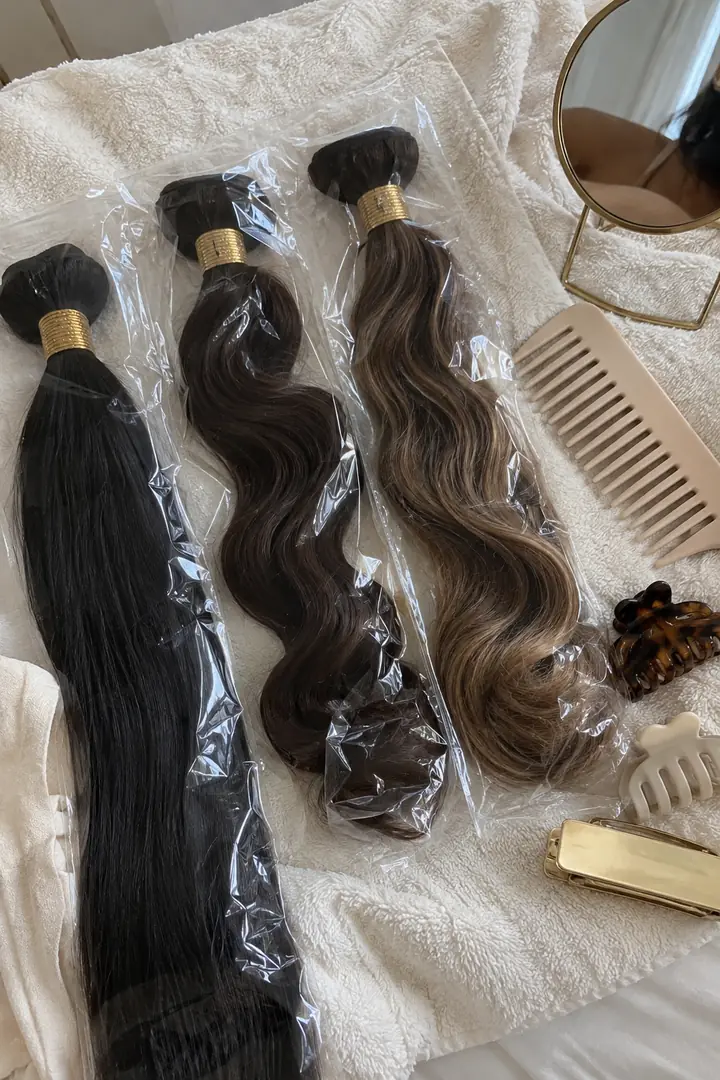
Hair extensions can change a look in one appointment, but they add weight, tension and upkeep. They are worth considering if your own hair is healthy, you have the time for regular maintenance, and you understand the installation method. Skip them if your hair is damaged or fragile, if your scalp is irritated, or if you have recently lost hair. The five-question score below gives a clear answer for your situation.
The main types of extensions
Extensions differ mainly by how they attach to your hair. The method decides how long they last, how much they weigh and how much stress they put on the roots.
- Clip-in: wefts with small clips that you put in and take out yourself. Best for events and for testing a length or colour before a salon visit.
- Tape-in: thin wefts glued to small sections of your hair. Lies flat, needs a salon for fitting and removal, and must be reattached every few weeks.
- Sew-in or weave: wefts sewn onto braided rows of your own hair. Strong and long-lasting, but the braids create tension, and the install needs a skilled stylist.
- Bonded or fusion: strands attached with keratin or another adhesive, one small bond at a time. Looks natural, but removal takes time and the bonds need careful handling.
- Micro-links: small hair loops attached with a bead. Lightweight and discreet, but the beads can slip and need regular checks.
What to budget for
Prices vary widely by country, salon and hair type, so compare quotes on the same basis. Ask for four numbers before you book: the cost of the hair, the cost of the installation, the cost of removal and the cost of each maintenance visit. Human hair costs more than synthetic and usually lasts longer and looks more natural. A cheap set with a poor install can cost more over a year than a good set fitted once.
The real risks: tension, weight and removal
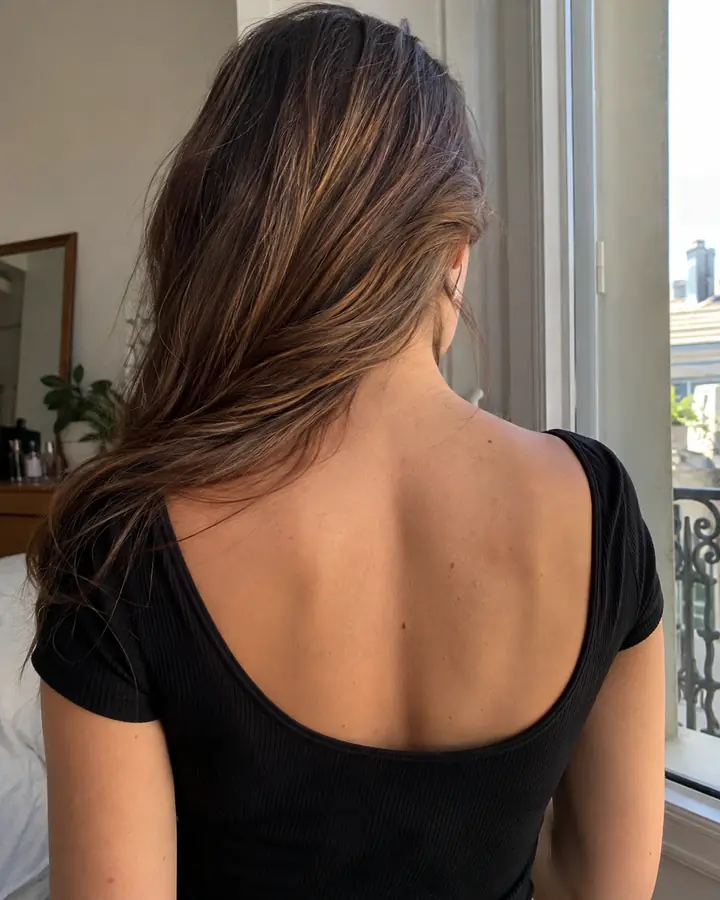
Most damage from extensions comes from tension, not from the hair itself. Heavy wefts pulling on the same spot every day can cause breakage along the hairline and at the crown. Long-term tight braiding can lead to traction alopecia, a form of hair loss from constant pulling. Adhesives and heat can damage the cuticle if they are removed roughly or if the hair is brushed while wet.
The warning signs are simple: soreness at the roots that lasts more than a day, small bumps or irritation on the scalp, hair that breaks at the same point, or thinning along the parting. If you notice any of these, take the extensions out and see a stylist or a doctor before you reinstall them.
Upkeep decides whether it is worth it
Clip-in extensions need removing every night and a gentle brush each morning. Tape-in and bonded extensions need salon visits every six to eight weeks to be moved up as your hair grows. Sew-ins need the braids re-done, and micro-links need regular checks. Think about the upkeep as a standing appointment in your calendar. If you already find routine appointments hard to keep, choose a method that needs less of them, such as clip-ins.
Who should avoid extensions
- Fine, fragile or chemically treated hair that already breaks easily.
- Scalp conditions such as psoriasis or eczema, or any irritation where the install would sit.
- Recent hair loss or thinning, whatever the cause. Ask a doctor about the cause first.
- People who cannot commit to regular maintenance, which is most of the cost.
Should you wear extensions? A five-question score
Move each slider from 1 (low) to 5 (high). The score gives a verdict and an explanation. Your answers stay in your browser.
Move the sliders to see a verdict.
If you decide to go ahead
Choose a stylist who explains the method, the weight and the maintenance before touching your hair. Ask where the hair was sourced and whether it is ethically collected, and ask to see the weft before you pay. Book a short check-up after the first two weeks, and tell the stylist straight away if you feel pain or pulling. A good install should feel secure without tightness.
For a black dress look, the most important match is colour and length. Choose a shade within one or two tones of your own hair, and keep the length in line with your natural hair so that the outfit still looks balanced. Our styling guide shows how hair and layers work together, and the makeup guide covers how to balance a bold look.
Frequently asked questions
Do hair extensions damage natural hair?
They can, mostly through tension and poor removal. A light, well-fitted install that is maintained on schedule causes far less damage than a heavy install that is left too long.
Are clip-in extensions a good first step?
Yes. They let you test length, colour and weight for an evening or a week without any salon commitment.
How long do sew-in extensions last?
Usually several weeks before the braids need re-doing, depending on your hair growth and how well the install is maintained. Ask your stylist for a realistic timeline for your hair.